
Sports Vision Training in Mokena
If your child is reacting slowly, missing plays, or struggling with coordination in sports, it may be related to how the eyes and brain work together. Sports vision training helps improve reaction time, tracking, and coordination, so performance becomes more consistent.
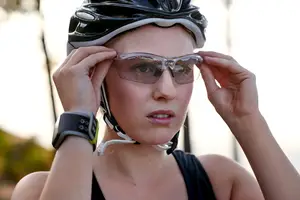
Slow Reaction Time and Missed Plays Can Be Vision-Related
If your child is putting in the effort but still struggling to react quickly or track the ball, the issue may not be physical ability. In many cases, it comes down to how well the eyes process and respond to what they see. A sports vision evaluation at Marquette Eye & Vision Center can help identify whether visual performance is affecting timing, coordination, and overall consistency on the field.
Performance Problems Are Not Always About Skill
Some athletes practice consistently but still feel a step behind. You may notice:
-
Delayed reactions during games
-
Difficulty tracking a ball or moving object
-
Missed catches or poor timing
-
Trouble judging distance or speed
-
Inconsistent performance despite effort
These challenges are often related to visual skills, not just physical ability.
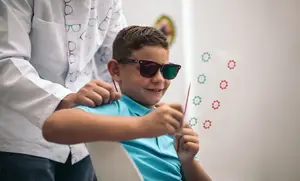
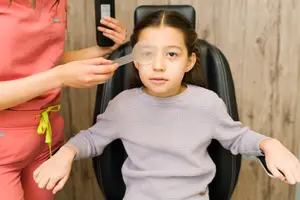
Clear Vision Is Not the Same as Good Visual Performance
An athlete can have 20/20 vision and still struggle during a game. Sports performance depends on how quickly and accurately the eyes track movement, judge distance, and respond in real time.
For example, difficulty with visual performance can show up as:
- Being late to react to a pass or pitch
- Misjudging distance when catching or shooting
- Losing track of fast-moving objects
- Inconsistent timing during plays
Skills like tracking, depth perception, and reaction time are trainable. When these improve, athletes often see better consistency, faster reactions, and more confidence during competition.
Training the Visual System to Perform Better
Sports vision training is based on structured exercises that improve how the eyes and brain work together. This type of training focuses on:
-
Tracking moving objects more accurately
-
Improving hand-eye coordination
-
Increasing reaction speed
-
Enhancing depth perception and timing
These are the skills that affect how an athlete performs in real situations, not just how well they see during an eye exam.

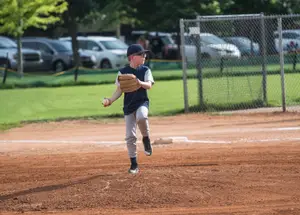
A Personalized Approach Based on the Athlete
Every sport places different demands on the visual system. A baseball player, for example, needs precise tracking and timing, while a basketball player relies more on spatial awareness and quick reactions.
We tailor training based on the athlete’s needs, current performance, and goals. This allows us to focus on the areas that will make the biggest difference.
Sports Vision Helps Young Athletes Build Confidence
For children and teens, performance struggles can affect confidence as much as results. When visual skills improve, many athletes feel more in control and more confident in their ability. This often leads to better focus, more consistent performance, and a more positive experience in sports.
Our sports vision program is based on the same clinical approach used in vision therapy. This means we are not just working on performance, but on how the visual system functions as a whole. This level of care is not available in most practices and allows us to address the root of performance issues, not just the outcome.
If Something Feels Off During Play, It Is Worth Evaluating
If your child or you feel like performance is not matching effort, there may be a reason.